


What Is a Residential Care Home?
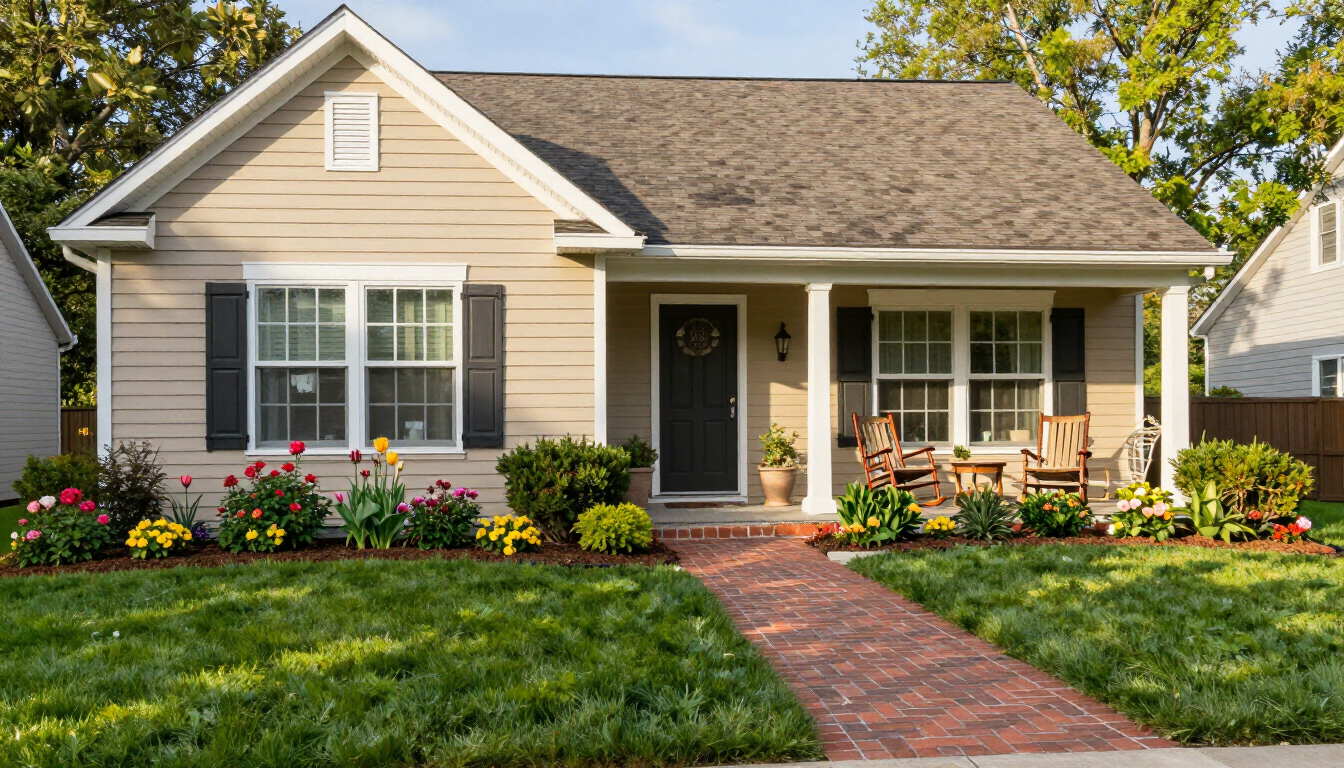
A residential care home , often called a board and care home, is a licensed private residence that provides personalized 24-hour care for a small group of seniors (usually 6–10). These homes offer a family-style environment, assistance with daily living, meals, and medication management in a traditional neighborhood setting.
What is a residential care home?
When families first start looking into senior living options , they often envision large, hotel-like facilities with hundreds of residents. While those communities are wonderful for many, they aren't the only choice. A residential care home is a unique alternative that prioritizes intimacy and high staff-to-resident ratios.
In regions like Orange County, San Diego County, and the South Bay, these are often standard residential houses that have been professionally modified to meet strict safety and licensing standards. Because the house looks and feels like a real home, the transition can be significantly less stressful for an elderly parent who is hesitant to leave their own long-time residence.
These homes are specifically designed to provide non-medical custodial care. This means staff members help with what are known as Activities of Daily Living (ADLs), including:
- Bathing and grooming
- Dressing and hygiene
- Mobitation and transfers
- Incontinence care
- Medication reminders
How does a care home differ from assisted living?
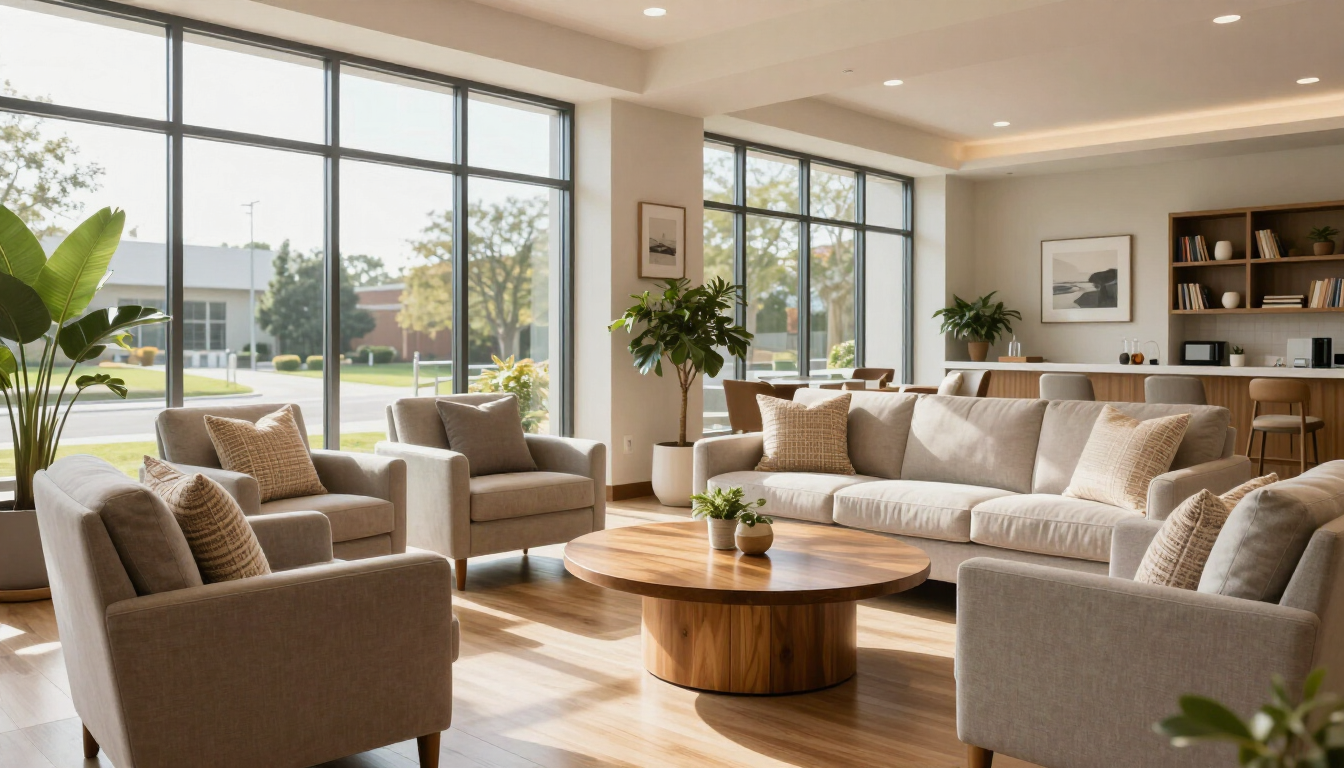
The primary difference between a residential care home and a larger assisted living facility is scale. In a large facility, your parent might be one of 150 residents. In a care home, they are one of six. This difference fundamentally changes the care experience.
In a smaller setting, the caregivers know exactly how your mom likes her tea or that your dad prefers to sleep in on Tuesdays. The staff-to-resident ratio is usually much better, often 1:3 or 1:2, compared to 1:15 or higher in larger centers. This means help is always just a few steps away. Furthermore, the environment is much quieter and more predictable, which is often a huge relief for seniors who find large, bustling hallways overwhelming or confusing.
Benefits of small-scale senior living
Choosing a smaller environment offers several distinct advantages that large institutions simply cannot replicate. For many of the families I work with at my placement and referral service , these benefits are the deciding factor.
- Personalized Attention: With fewer residents, caregivers can spot subtle changes in health or mood quickly.
- Home-Cooked Meals: Food is prepared in a standard kitchen, often allowing for more specific dietary preferences.
- Reduced Confusion: The simple layout of a single-story house is easier for seniors with cognitive decline to navigate.
- Cost-Effectiveness: Often, these homes are more affordable because they don't have the massive overhead of a gym, theater, or salon.
- Consistent Staffing: Residents see the same faces every day, fostering deep bonds and a sense of security.
Is a residential care home right for my parent?
Deciding on the right level of care is a deeply personal journey. While I help families across San Diego and Orange County navigate this daily, the decision often comes down to your parent's specific personality and physical needs.
A residential care home might be the perfect fit if your parent:
- Prefers a quiet, calm environment over a social, busy one.
- Needs a high level of physical assistance with walking or transferring.
- Has specialized needs like dementia or Parkinson’s disease.
- Is an "introvert" who might feel lost in a large crowd.
- Requires frequent monitoring due to a high risk of falls.
If your parent still wants an active "country club" lifestyle with daily outings, multiple restaurants, and a wide array of fitness classes, a larger assisted living community might be better. However, for those who value intimacy and stability, the care home model is hard to beat. If you are unsure where to start, reading about how it works can help clarify the process of finding the right match.
How much does a residential care home cost?
One of the most common questions I hear from families in their 40s and 50s is about the financial commitment. In Southern California, the cost of a residential care home can vary widely based on the location and the level of care required. Generally, you can expect to pay anywhere from $4,500 to $8,000 per month.
While this might seem comparable to large facilities, care homes often include many services in their base rate that large facilities charge extra for. For example, some large communities have a "points system" for care, where every time a staff member helps your parent, the bill goes up. In a residential care home, the pricing is usually more "all-inclusive," making it easier for families to budget month-to-month.
It’s also worth noting that because I operate as an independent referral service, my help is provided at no cost to your family. I am here to help you compare these costs and find a home that fits your budget without sacrificing quality of life.
Specialized care: Memory care and respite options
Many residential care homes specialize in Memory Care . Because the environment is secure and the layout is simple, it is often a safer choice for seniors prone to wandering or those who suffer from high anxiety related to Alzheimer's. The consistent routine and familiar faces in a small home can significantly reduce the "sundowning" symptoms often seen in memory care patients.
Additionally, many of these homes offer respite care . This is a short-term stay (usually a few days to a few weeks) that allows primary family caregivers to take a much-needed break. If you are currently feeling the weight of caregiving, visiting our Caregiver Resource Center can provide additional support and advice on managing your own well-being while caring for a parent.
How to find the best residential care home near you
Finding a high-quality home isn't just about the physical building; it's about the people inside. Not all homes are created equal, and some are better managed than others. When you begin your search, you should look beyond the fresh paint and nice furniture.
I recommend looking at the state licensing reports to see if there have been any recurring violations. You should also visit during a mealtime to see the quality of the food and how the staff interacts with residents. Are the caregivers engaged, or are they on their phones? Is the home clean and free of odors? Most importantly, does it feel like a place your parent would be happy?
Since I’ve visited hundreds of homes throughout Long Beach, the South Bay, and beyond, I can help you skip the "bad" ones and focus only on the homes with stellar reputations. You can learn more about Carla and my history of helping families find peace of mind in this difficult transition.
Steps to finding the perfect match
When you are ready to take the next step, the process doesn't have to be overwhelming. Following a structured approach can make a world of difference for your family's stress levels.
- Assess Needs: Determine the level of physical and medical support required.
- Set a Budget: Be realistic about monthly income and assets.
- Consult an Expert: Work with a placement specialist who knows the local landscape.
- Tour Multiple Homes: Never settle for the first one you see.
- Trust Your Gut: If something feels off during a tour, it probably is.
Summary and Key Takeaways
A residential care home is a powerful, personal alternative to traditional assisted living. By offering a high level of care in a familiar house setting, these homes provide safety, community, and peace of mind for both the senior and their adult children.
Key Takeaways:
- Small Scale: Typically 6–10 residents for a family-like feel.
- High Care Ratios: More personalized attention than large facilities.
- Cost Clarity: Often features all-inclusive pricing structures.
- Ideal for Dementia: Smaller layouts reduce confusion and anxiety.
- Local Expertise: Services like mine are available at no cost to help you choose.
If you’re feeling overwhelmed by the choices in Southern California, please don't hesitate to reach out. You can check out more advice on our blog or contact me directly today to start a conversation about your parent's future. You don't have to do this alone.