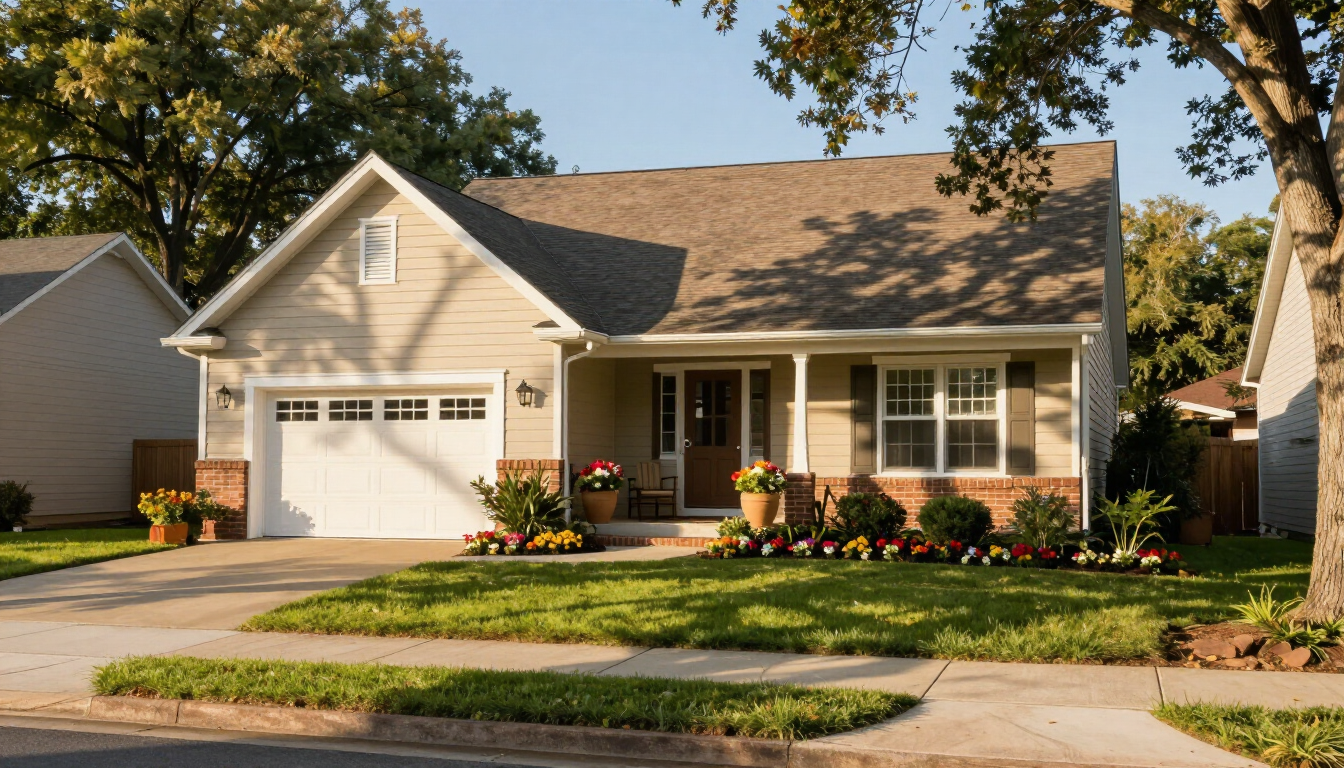
Assisted Living vs. Memory Care
Assisted living provides help with activities of daily living (ADLs) like bathing and medication, while memory care offers 24/7 specialized supervision and secure environments for those with Alzheimer's or dementia. The choice depends on whether your parent’s primary needs are physical assistance or specialized cognitive safety and behavioral support.
What is the main difference between assisted living and memory care?
When comparing assisted living vs. memory care, the fundamental distinction lies in the level of care and the specific needs of the resident. Assisted living is designed for seniors who are generally cognitively healthy but require help with physical tasks. These residents value their independence but might struggle with getting dressed, managing multiple prescriptions, or maintaining a large home. In these communities, residents usually live in private apartments and have access to social calendars and shared dining.
Memory care, on the other hand, is a specialized subset of senior living. It is tailored specifically for individuals living with Alzheimer’s disease, vascular dementia, or other forms of cognitive impairment. While assisted living focuses on convenience and physical support, memory care focuses on safety, security, and specialized therapeutic programming. The environment is structured to reduce stress and prevent "wandering," a common symptom of dementia that can lead to dangerous situations.
Understanding these differences is the first step in ensuring your parent is in an environment where they can thrive. Many families find that while their parent was once a great candidate for assisted living, a progression in memory loss necessitates a transition to more specialized care. This is a common journey, and knowing the markers of each service helps in making a proactive rather than reactive decision.
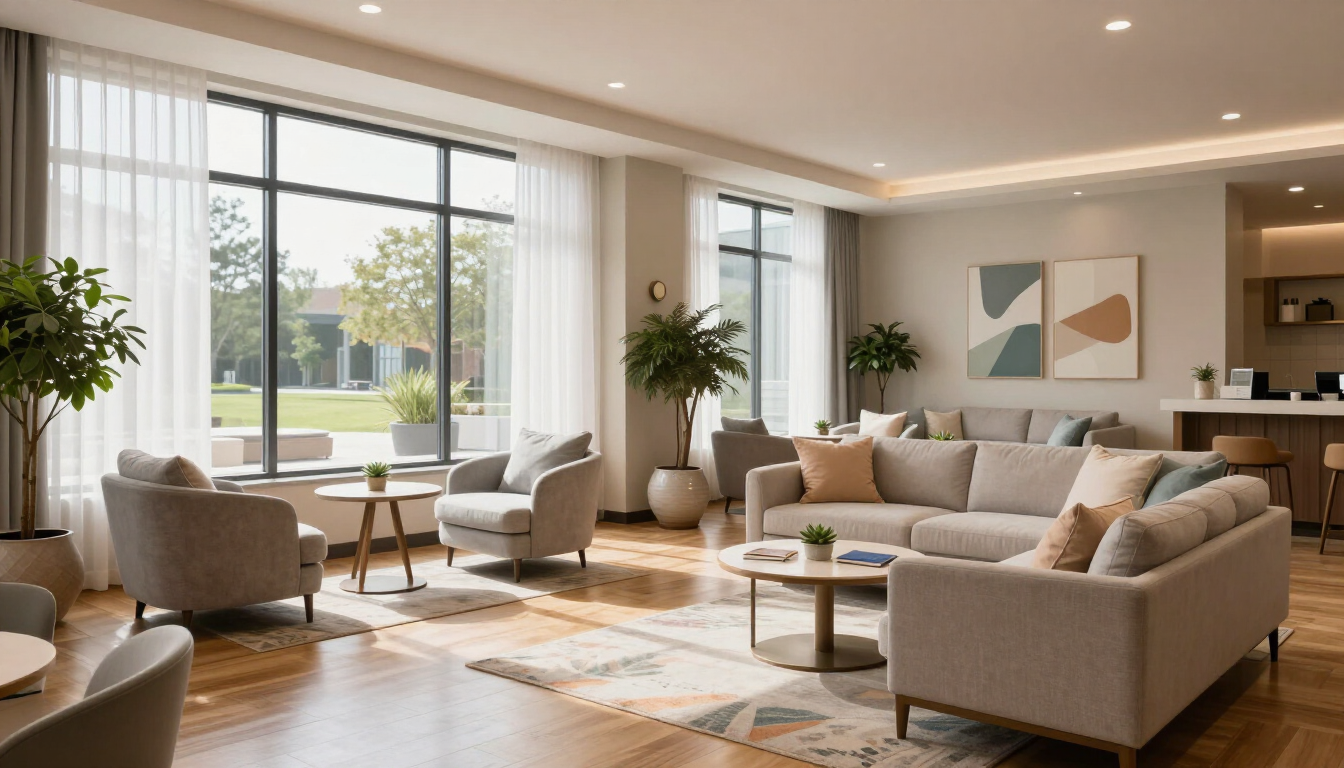
Key Features of Assisted Living Communities
Assisted living is often the preferred choice for seniors who are starting to slow down but still want to enjoy a vibrant social life. These communities bridge the gap between living entirely independently and needing the intensive medical supervision of a nursing home. Most senior living options in the assisted living category offer a hospitality-forward approach, making the community feel more like a boutique hotel than a medical facility.
Standard services in assisted living typically include:
- Personal care assistance (bathing, dressing, grooming)
- Medication management and administration
- Three chef-prepared meals served daily in a dining room
- Weekly housekeeping and linen services
- Scheduled transportation for shopping and medical appointments
The goal of assisted living is to take the "work" out of daily life. By removing the burden of home maintenance and cooking, seniors have more energy to engage in hobbies, fitness classes, and social events. It is an excellent solution for seniors who are experiencing loneliness or minor physical limitations that make living alone at home a safety risk.
How do I know if my parent needs memory care?
Deciding to move a parent into memory care is often one of the most difficult choices a family will make. However, safety is the primary indicator. If your parent is frequently confused, getting lost in familiar places, or leaving the stove on, their safety is at risk in a standard assisted living environment. Memory care provides a "secured" perimeter, meaning residents cannot exit the building without staff assistance, which prevents the high-risk behavior known as wandering.
Beyond safety, consider these behavioral and cognitive signs:
- Significant changes in personality or increased agitation
- Inability to follow simple multi-step instructions
- Neglecting personal hygiene despite being physically able
- Frequent sundowning (increased confusion in the late afternoon)
- Unexplained weight loss due to forgetting to eat
If you are noticing these signs, it may be time to visit our caregiver resource center for more guidance on navigating dementia symptoms. Memory care staff are specifically trained in techniques like validation therapy and redirection, which help manage the anxiety and behavioral challenges that often accompany memory loss. In a general assisted living setting, staff may not have the specialized training or the time required to manage these complex needs effectively.

Safety and Security Standards in Senior Care
The physical layout of a community is a major differentiator in the assisted living vs. memory care debate. Assisted living buildings are designed for easy navigation but are generally open. Residents can come and go as they please, which promotes independence. In contrast, memory care units are built with "circular" hallways. This design allows residents to walk and explore without hitting a dead end, which can trigger frustration or panic in someone with cognitive impairment.
Security measures in memory care are much more robust. Doors are typically alarmed or keypad-coded to ensure that residents remain within the safe confines of the community. Outdoor spaces, such as courtyards and gardens, are also fully enclosed. This allows residents to enjoy fresh air and sunshine without the risk of walking away from the property. These features provide families with immense peace of mind, knowing their loved one is protected 24 hours a day.
Furthermore, the staff-to-resident ratio is usually higher in memory care. Because residents require more frequent check-ins and hands-on guidance for nearly every task, the staffing levels are boosted to ensure no one is left unattended for long periods. This intensified focus on supervision is what makes memory care the safest choice for those with advanced cognitive needs.
What are the typical costs for specialized memory support?
When evaluating senior care, budget is always a significant factor. Generally, memory care is more expensive than assisted living. This price gap is due to the increased staffing requirements, specialized training, and the higher level of security provided. In the Orange County and San Diego areas, the cost difference can range from $1,000 to $3,000 more per month for memory care than for standard assisted living.
Assisted living costs are usually broken down into two parts: a base rent (for the room and meals) and a care level fee (based on how much physical help is needed). Memory care is often "all-inclusive" or has a much higher base care tier because the level of supervision required is universally high for all residents. It is important to ask about "level of care" increases during your tours, as these can change as your parent’s needs evolve.
While the cost is higher, it is essential to weigh this against the cost of 24/7 in-home care, which often exceeds the price of a residential community. Additionally, the social engagement and specialized programming found in professional communities can lead to a higher quality of life than what can be provided at home by a single caregiver or family member. To learn how we help families navigate these financial decisions, you can read about how it works .
How does a placement service simplify your search?
The search for the right community can feel overwhelming, especially when you are trying to decipher the medical jargon and pricing structures of dozens of facilities. This is where an independent placement service becomes invaluable. Working with a local expert like Carla allows you to bypass the guesswork. Because she knows the specific reputations, staffing histories, and "vibes" of communities in Orange County, San Diego, and the South Bay, she can narrow your search to the top three matches for your parent’s specific needs.
When you work with a referral service, you get:
- A personalized assessment of your parent’s medical and social needs
- Expert knowledge of local community vacancies and pricing
- Coordination of tours so you don't have to spend hours on the phone
- Advocacy during the move-in process to ensure a smooth transition
- A sounding board for the emotional challenges of this transition
Best of all, this service is provided at no cost to families. As an independent senior living placement and referral service, Carla is compensated by the communities, allowing her to focus entirely on finding the right fit for your loved one. You can learn more about Carla and her mission to support families through these tough transitions. Having an expert in your corner ensures that you aren't just finding a place, but finding the right home.

Summary of Key Takeaways
Choosing between assisted living and memory care is about matching your parent’s current reality with the right environment. While assisted living offers a lifestyle of convenience and social connection for those with physical needs, memory care provides the specialized safety and cognitive support necessary for those with dementia.
- Assisted Living is best for physical help and social engagement.
- Memory Care is required for cognitive safety and wandering prevention.
- Safety is the number one reason families transition to memory care.
- Costs are generally higher in memory care due to staffing levels.
- Placement services like Carla's help you find the best fit for free.
If you’re still unsure which path is right for your family, don’t wait until a crisis occurs. Reach out today to start a conversation about your parent’s future. For personalized assistance and to explore your options in Southern California, please contact us to schedule a free consultation.
Recent Posts